
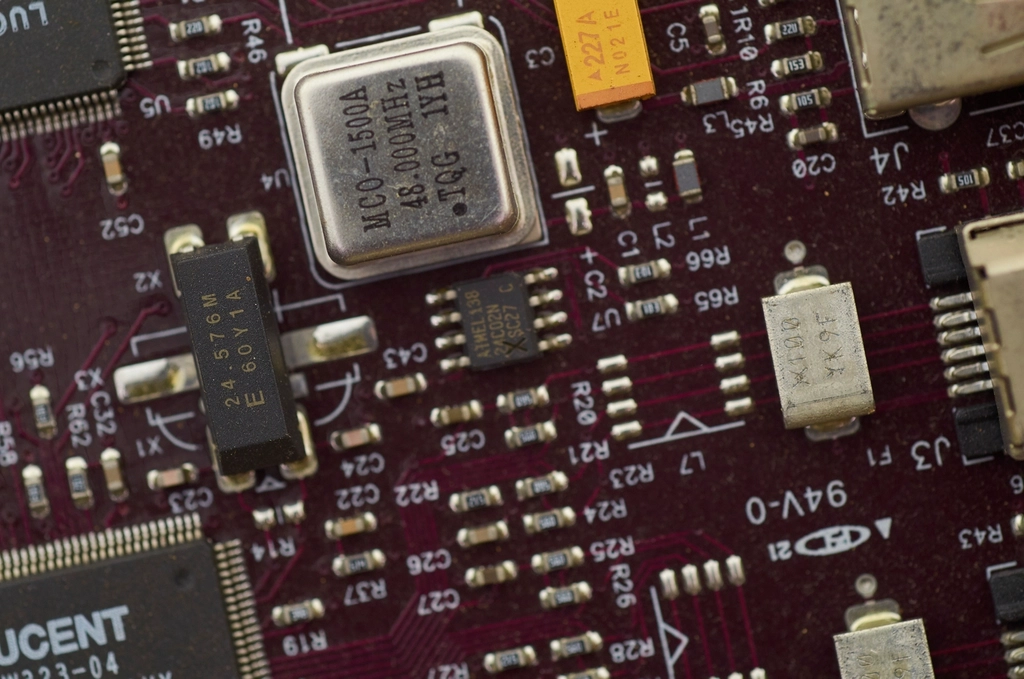
A board that burns out, a connected device that stops responding, a batch of components failing in the field: behind every breakdown lies a chain of causes. In a dispute, the goal is not only to repair but to establish why the failure occurred and who it can be attributed to.
1. Distinguish symptom, mode and mechanism
The symptom is what the user observes (the device no longer starts). The failure mode describes the technical state observed (a shorted regulator). The mechanism explains the physical phenomenon that caused it (thermal overstress due to an undersized heatsink). An analysis that stops at the mode cannot attribute responsibility.
2. Preserve evidence before any intervention
Failed items must be kept as they are: no repair, cleaning or update before the findings are recorded. Photographs, serial numbers, event logs and firmware versions are recorded in the presence of the parties, and critical parts can be sealed.
3. Move from non-destructive to destructive
Investigations progress from the least to the most invasive examinations, so that no information is ever lost:
- Visual and optical examination, power-off electrical measurements
- Non-destructive imaging (X-ray, thermography)
- Functional testing and controlled reproduction of the fault
- Destructive laboratory analysis: cross-sections, decapsulation, material analysis
4. Test the hypotheses
Several causes are usually possible: a design, manufacturing, component, installation or usage defect. Each hypothesis is tested against the findings and data (specifications, standards, histories). Structured methods – fault trees, Ishikawa diagrams, 5 whys – make the reasoning traceable and open to discussion by the parties.
5. Reach reasoned conclusions
The conclusion must explicitly link each cause to the findings on which it is based, state the degree of certainty, and rule out the hypotheses not retained, explaining why. This traceability is what gives the report its value before the court.
Facing an electronic failure in a dispute? The firm can help you establish its causes.